
We Proudly Serve Lee County to Charlotte County
Assessments That Identify Tile and Underlayment Failure
Roof inspections in Cape Coral for storm damage documentation, leak source identification, and remaining service life evaluation
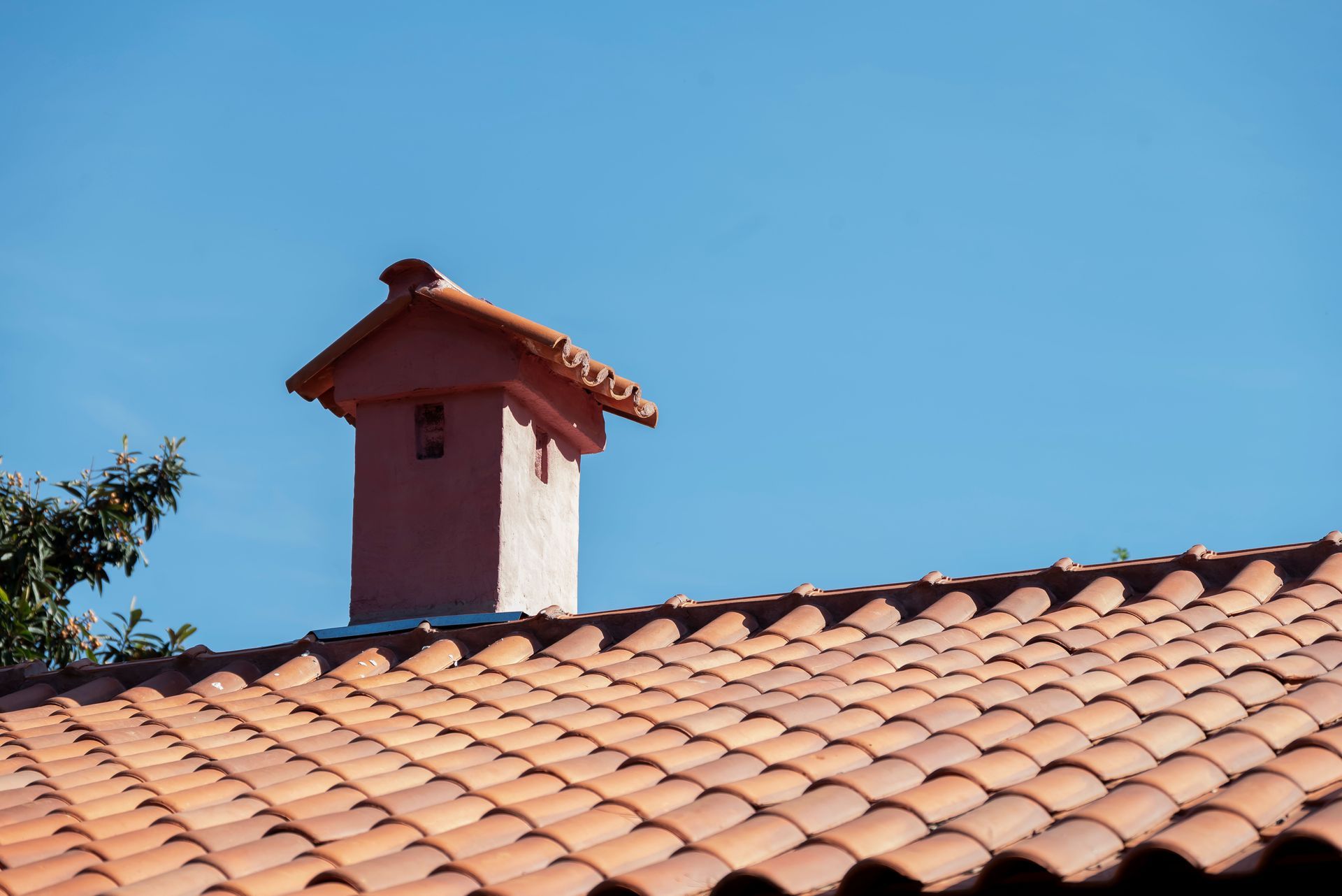
Roofs are common on Cape Coral properties built from the 1990s forward, installed for their durability and wind resistance in a hurricane-prone region. While the tiles themselves often last decades, the underlayment beneath them degrades faster, especially on older installations where felt paper rather than synthetic or self-adhering membrane was used. When tiles crack from impact, shift out of position, or when underlayment fails and allows water to reach the roof deck, leaks develop that can damage ceilings, insulation, and framing before they become visible inside the home. Synergy Home Inspection Services conducts tile roof inspections that assess tile condition, underlayment integrity where visible, flashing at penetrations and valleys, and signs of water intrusion, providing the documentation needed for insurance claims or repair planning.
The inspection begins with a visual survey from the ground using binoculars to identify missing, cracked, or displaced tiles, followed by a roof-level examination when access is safe. The inspector walks the roof carefully to avoid breaking tiles, checking fastening at ridge caps and eaves, examining valley liners for corrosion or separation, and looking for lifted or damaged tiles around roof penetrations such as vents and chimneys. Underlayment condition is evaluated where tiles have been displaced or at exposed edges, and interior attic inspection follows to check for water stains on the roof deck that indicate active or past leakage.
Arrange an on-site assessment to determine which tiles need replacement and whether underlayment deterioration requires broader repair work.
What Proper Roof Assessment Reveals
Roof inspections separate cosmetic damage from functional failure, a distinction that matters both for repair scope and insurance coverage. A few cracked tiles may be replaced individually if underlayment beneath them remains intact, but widespread underlayment failure requires removal of large sections of tile, replacement of the membrane, and reinstallation, which is a far more extensive and costly repair.
After the inspection, you receive a report documenting tile condition, underlayment status, flashing integrity, and any evidence of water intrusion. Photographs show the location and extent of damage, and the report specifies whether repairs can be localized or whether a full roof replacement is the more practical solution. This information is critical when filing storm damage claims, as insurers require documentation that separates pre-existing wear from recent weather-related damage.
The inspection identifies current conditions but does not predict when future leaks will occur or provide a warranty on remaining service life. If significant underlayment degradation is found, the report will note that leakage is likely even if it has not yet caused visible interior damage.
Questions Before Starting Your Project
Tile roofs have distinct failure modes and repair considerations, and these questions address what the inspection process evaluates.
What causes tile roofs to leak even when tiles appear intact?
Underlayment beneath the tiles deteriorates from heat and UV exposure over time, and once it cracks or separates, water passes through the tile gaps and reaches the roof deck, causing leaks that are difficult to trace without removing tiles.
How does the inspector access the roof without damaging tiles?
Inspectors step on the lower third of each tile near the overlap where the tile is supported by the one below it, avoiding the unsupported upper sections that are more likely to crack under weight, and use proper footwear to distribute pressure.
What flashing problems are common on tile roofs in Cape Coral?
Valley flashing corrodes or separates at seams, chimney and vent pipe flashing deteriorates from heat exposure, and step flashing at wall intersections often lacks proper counter-flashing, all of which create entry points for water during heavy rain.
Why do insurance adjusters require a roof inspection after a storm?
Adjusters need documentation that distinguishes new damage from pre-existing wear to determine coverage eligibility, and a detailed inspection report with photographs provides the evidence needed to support a claim or identify which repairs fall under the policy.
What happens if the inspection finds both storm damage and age-related wear?
The report documents both conditions separately, noting which tile breakage or displacement is consistent with recent impact and which deterioration results from normal aging, giving the insurer the information needed to process the claim accurately.
Synergy Home Inspection Services provides tile roof inspections throughout Lee County to Charlotte County, Florida. Detailed reports clarify repair requirements and support insurance claims, helping you address roof issues before they cause extensive interior damage.